Non-QM loans. Qualify your way.
When your income does not fit a tax return, qualify another way: bank statements, rental income, assets or a 1099. We check the usual path first, then shop Non-QM lenders side by side.
7.250%
APR 7.273%
Monthly payment
$3,116/mo
- Principal and interest
- $3,002
- Mortgage insurance
- None
- Home insurance
- $115
Income from
Credit
Example rates, not an offer to lend. Business assumes a bank statement loan on a primary home. Rental assumes an investment property qualified on its rent (DSCR). Both assume a 30-year fixed loan, no mortgage insurance and home insurance at 0.25% of the price a year. Taxes not included.
Your deposits stand in for tax returns.
On many programs. Higher scores price better.
Investment properties often 20% to 25%.
Understanding Non-QM loans.
A qualified mortgage, or QM, meets a set of federal standards, and most are documented the usual way, with tax returns, W-2s and pay stubs. A Non-QM loan still has to show you can repay, but it can use other evidence. It is the loan for income that is real but does not show up neatly on paper.
What is a Non-QM loan?
A mortgage made outside the qualified mortgage standards, usually funded by private lenders and investors. Today’s Non-QM loans are fully documented, just differently: lenders still verify your income, credit, savings and the home.
Bank statement loans
For the self-employed. Instead of tax returns, the lender reviews 12 or 24 months of personal or business bank statements and counts your deposits, less an expense factor for a business account, as income. It helps when write-offs make your returns show less than you earn.
DSCR loans for investors
A debt service coverage ratio loan qualifies a rental on its rent, not your income. When the rent covers the payment, with taxes, insurance and any HOA dues, the ratio is 1.0 or higher and the loan can work. No tax returns or pay stubs, and many programs let you close in an LLC.
Other ways to qualify
1099 income for contractors and gig workers, asset depletion that turns savings and investments into qualifying income, a profit and loss statement from a CPA, and options after a recent credit event. Borrowers without a Social Security number have their own path, our ITIN loans.
Down payment and credit
Most programs ask for 10% to 20% down, and investment properties often 20% to 25%. Many start around a 660 score, and higher scores and larger down payments earn better pricing. Expect to show reserves: months of payments in savings after closing.
What it costs
Non-QM rates usually run higher than conventional, because private investors take on loans the agencies will not buy. Some DSCR loans for investors also carry a prepayment penalty for the first few years, so we show every cost before you choose.
Is Non-QM right for you?
Non-QM may fit if you are self-employed and your returns understate your income, you invest in rentals, you have real savings but uneven income, or a recent credit event keeps you out of agency loans for now.
Tell us how you earn. We will check the usual path first, then show you every Non-QM option that fits.
Who Non-QM fits. Income that does not fit a form.
- Self-employed borrowers
Business owners whose write-offs shrink the income on their returns.
- Real estate investors
Qualify a rental on its rent, in your name or an LLC.
- 1099 contractors
Freelancers, gig workers and commissioned earners.
- Buyers with real savings
Retirees and investors with assets but uneven monthly income.
- After a credit event
Some programs allow a recent bankruptcy, foreclosure or short sale.
- Larger loan amounts
Some programs go well past the conforming limit.
Non-QM next to the others.
| Program | Down payment | Income shown with | Best for |
|---|---|---|---|
| Non-QMThis page | Commonly 10–25% | Bank statements, rent, assets or a 1099 | Self-employed borrowers and investors |
| Conventional | As low as 3% | Tax returns, W-2s and pay stubs | Income that is easy to document |
| FHA | As low as 3.5% | Tax returns, W-2s and pay stubs | Documented income with more flexible credit |
| ITIN | 15–25% | An ITIN in place of a Social Security number | Borrowers without an SSN |
Typical requirements. Non-QM programs vary widely by lender and investor, and we confirm the terms for your file.
Non-QM questions, answered.
Still wondering about something? A loan officer can answer it in a minute.
Ask us anythingWhat is a Non-QM loan?
A mortgage made outside the qualified mortgage standards. Lenders still verify that you can repay, but they can use bank statements, rent, assets or other documents in place of tax returns.
Is Non-QM the same as subprime?
No. Non-QM loans are fully documented and underwritten, often for borrowers with strong credit and income that is simply hard to show on a tax return.
Who is a bank statement loan for?
Self-employed borrowers. The lender counts 12 or 24 months of deposits as income instead of using tax returns.
What is a DSCR loan?
A loan for an investment property that qualifies on the rent it brings in compared with its payment, not on your personal income.
How much do I need down?
Commonly 10% to 20%, and 20% to 25% for many investment properties.
What credit score do I need?
Many programs start around 660. Higher scores earn better pricing.
Are Non-QM rates higher?
Usually, yes, compared with conventional. How much depends on your credit, down payment, the program and the property.
Can I refinance into a conventional loan later?
Often, yes. Once your income shows on your returns or your credit recovers, a conventional refinance can lower your rate.

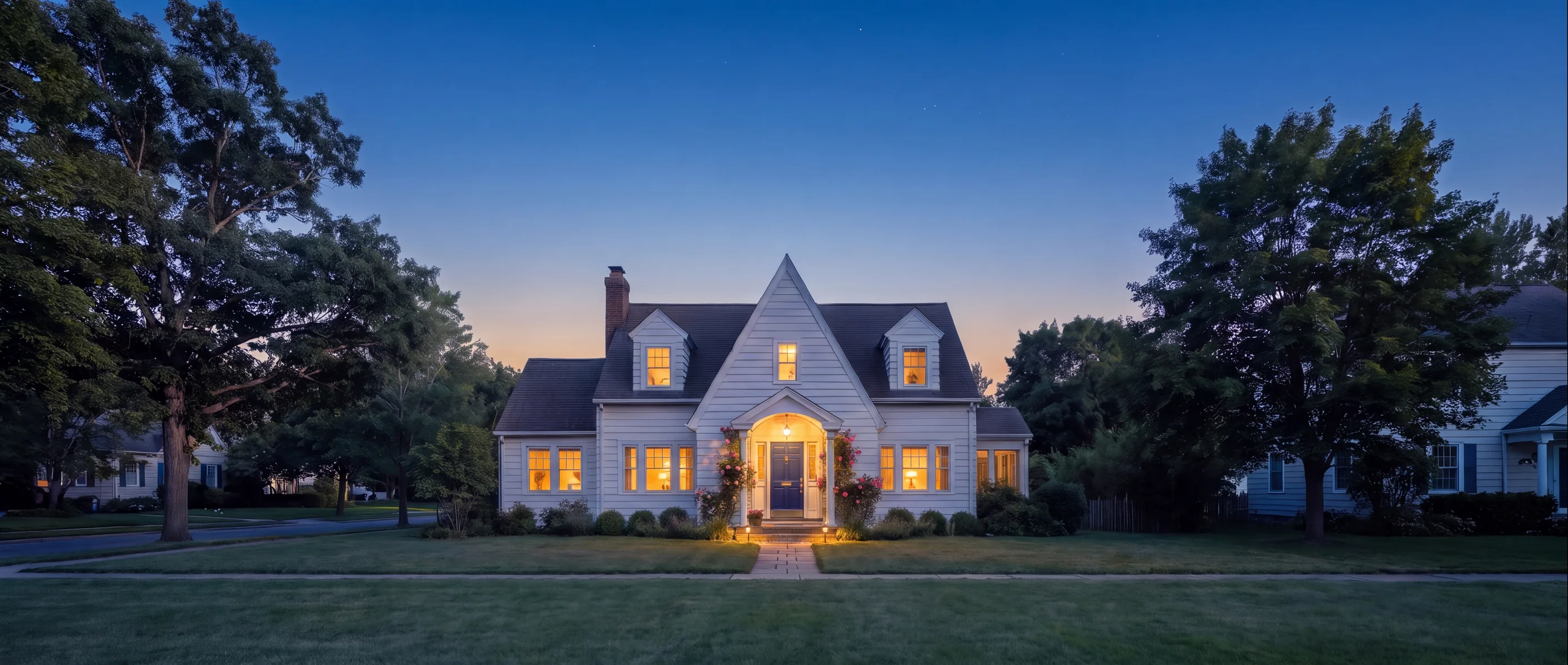


Your Non-QM rate is a minute away.
We check the usual path first, then compare Non-QM programs from 125+ lenders and investors and show you what wins.